Posts

Showing posts with the label Eco friendly

Eco Alternatives to Wrapping Paper

  We love to find quick and easy eco friendly alternatives and the Furoshiki method of cloth wrapping is a perfect example of that! This Japanese cloth wrapping tecnique is wonderful for using up old scarves or scraps of material you have around the house. Wrapping paper is often single use and difficult to recycle or degrade because  of some of the materials used to make it. This includes glitter or the plastic lining much wrapping paper utilises. Cloth on the other hand can be used time and time again. Other alternatives include re using old brown paper bags or making use of  old gift boxes or shoe boxes. Old jam jars or tins are great for  gifting homemade cookies or other goods and  little cloth tote bags are a fantastic alternative to gift bags which are also usually lined with pesky plastic! There are so many ways to get creative with alternative gifting options that don't require wrapping at all! Why not visit our earlier post on gifting expereinces inste...

Switch to washable feminine wear

Image
Australian women contribute more than 18 thousand metric tonnes of  sanitary waste  to landfill every year. Washable feminine wear is kind to the environment and your purse.  Feminine wear  comes in a range of pads and underwear as well as insertables such as menstrual cups and natural fibre tampons. Pads and underwear are comfortable, breathable and soft; while cups are made from natural latex and rubber. Importantly they do not contribute to landfill and can be reused as they have a very long life-cycle. #reusablefeminineproducts #washablepads

Clean with vinegar, eucalyptus and baking soda

Image
  Create your own eco-friendly cleaning products by using household ingredients. Vinegar, eucalyptus and baking soda, fresh lemon and essential oils form the basis of many home-made natural cleaners. Creating simple cleaning products for the kitchen and bathroom is easy and safe. Reduce waste, save money and eliminate toxic chemicals found in commercial products from your home. Natural cleaning ingredients support health and the environment. #ecocleaningproducts #homemadecleaningproducts 

Find your nearest street library

Image
Find your nearest street library and get involved in the book sharing community. Share your books, read them and pass them on. Encourage others to read and share their books too. Sharing books reduces waste while promoting literacy in your local community. What may be unwanted for one, will be treasure for another. #streetlibraryaustralia #streetlibrary

Choose refillable water bottles

  Choose tap water – take a refillable water bottle with you wherever you go. Do not purchase single use plastic water bottles, they are too costly. It takes 3 litres of water and 250ml of oil to produce 1 litre of bottled water, this makes it more expensive than tap water . Less than 20 per cent of plastic gets recycled in Australia . By choosing refillable water bottles you are making the right choice and reducing waste. #reduceplastics #choosetap

Discover your local library

Image
  A welcoming place for individuals and groups, community libraries provide access to services, information, books, periodicals and media. Borrowing books and media reduces your carbon footprint by sharing them with the community. Libraries are valuable community assets where culture, learning and social connection thrive. Supporting your local library provides environmental and economic value. #communitylibrary #locallibrary

Visible mending and slow fashion

Image
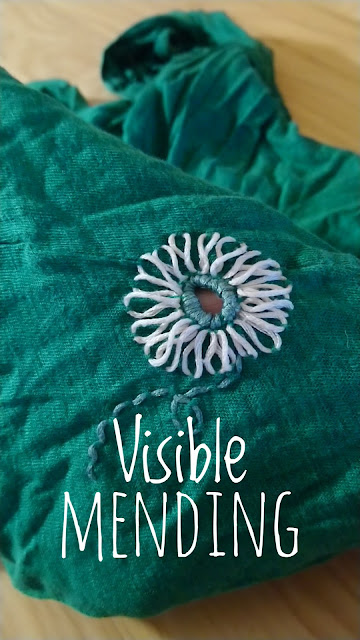
Mending clothes is a valuable life skill. It renews worn clothes and adds new life to old or outgrown items. Based on the Japanese art of Sashiko, Visible mending is a grass-roots movement that patches and embroiders clothes, in a sustainable, ethical and creative way. It is one arm of the slow fashion movement that resists the ecological toll of fast fashion by reusing, renewing and recycling; and choosing natural fibres and dyes to live more sustainably. #visibleMending #sashiko #slowFashion

Use the Sun to Dry Your Clothes

Image
    Save electricity by drying your clothes outside instead of in the dryer. Invest in a clothes airer so if the weather is not great you can still hang them up inside or on a balcony. Less money, less energy. Better for the environment. Your clothes will last longer Top 10 Reasons to Line Dry

Making Cleaning Rags out of Old Clothes

 Making cleaning rags out of old unused clothing items is a quick and easy way  to repurpose something you might otherwise throw away and end up in landfill.  We hope you found this little video a helpful tool in creating your own cleaning rags.  If you arn't sure your t-shirts are ready to be downgraded to the cleaning cupboard just yet,  why not have a look at our post on mending and give them a new lease on life intead? 

Grow your own kitchen herbs

Image
Start your food growing adventure with kitchen herbs. Growing your own food is one simple way to develop ethically sustainable food habits . Herbs are nutritious and easy to grow in your garden, in pots and on window sills. Get down to your local nursery this weekend and see what is in season. #kitchenherbs   #sustainablelivingaustralia

Utilising Compost Bins

Image
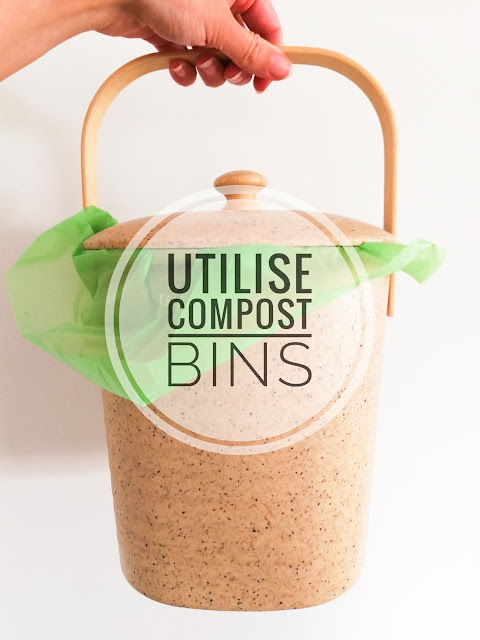
  Compost bins are a great way to reduce your impact on the environment. Kitchen and garden waste make nutrient dense and natural gardening compost with no nasty chemicals! Don’t have a garden? Most areas now have an organic waste collection to take your waste and turn it into compost for the agricultural sectors, horticultural programs and so much more. Interested in learning more? Visit t his pos t by The Spruce to find out how to create and utilise your own compost!